What is Vitamin D?
Vitamin D is a type of fat-soluble vitamin that is used by the body for normal bone development and maintenance by increasing the absorption of phosphate, magnesium and calcium. Vitamin D is a crucial nutrient and maintaining nerve function, muscle health, bone strength and immunity are some of the most significant vitamin D benefits.
What is Vitamin D Deficiency?
Vitamin D deficiency is the state of having an inadequate amount of vitamin D in the body, which can result in serious health problems such as muscle weakness and brittle bones.
Symptoms of Vitamin D Deficiency
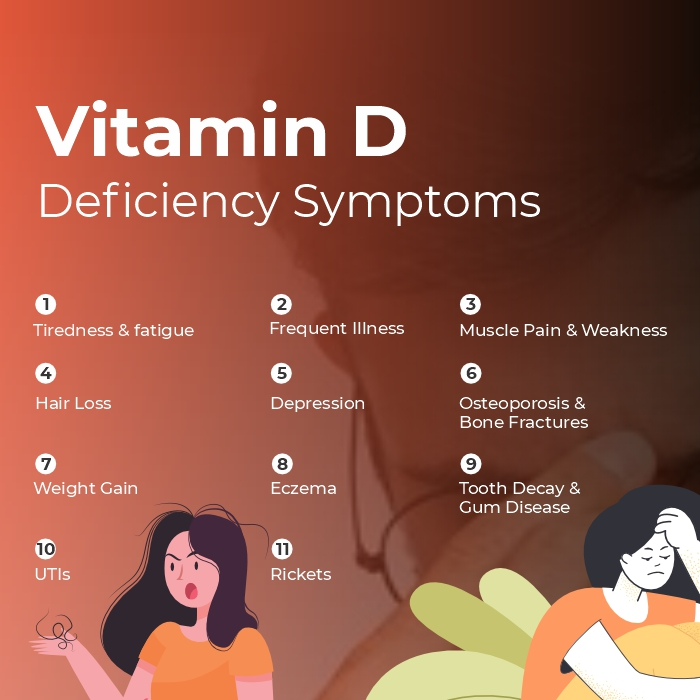
Vitamin D deficiency is hard to diagnose, as either it produces no symptoms or the symptoms overlap with other health conditions. Here are some of the common vitamin D deficiency symptoms you need to know about:
Vitamin D deficiency and fatigue are connected. It is unclear, however, how vitamin D deficiency leads to fatigue.
The link between high disease severities in people admitted in ICUs (Intensive Care Units) and vitamin D deficiency has been examined after the onset of COVID-19. People with vitamin D deficiency are more prone to contracting the virus and falling ill.
As vitamin D supports muscle function, vitamin D deficiency can increase the likelihood of experiencing symptoms such as muscle loss (atrophy), weakness and pain. Lack of muscle strength can also result in back pain.
Note: Pain in the lower back is a common complaint amongst people with vitamin D deficiency.
Osteoporosis and Bone Fractures
Vitamin D deficiency can cause a condition known as osteomalacia, which results in softening of the bones. This further leads to loss of bone density, contributing to conditions like osteoporosis and bone fractures.
Vitamin D plays an essential role in regulating the hair cycle. Because of its role in hair regeneration, vitamin D deficiency can slow hair growth or cause hair loss.
People with vitamin D deficiency may be at an increased risk of being diagnosed with depression or experiencing depressive episodes.
Vitamin D deficiency is associated with weight gain. People who are overweight or obese are more likely to be diagnosed with a vitamin D deficiency as compared to people who are not obese.
Vitamin D levels can affect immunity and skin barrier function, both of which are critical to the development of eczema. Vitamin D deficiency has been linked to higher frequency and severity of eczema.
Tooth Decay and Gum Disease
Vitamin D plays a vital role in maintaining dental health. Vitamin D deficiency can cause tooth decay and even increase the risk of gum disease or periodontitis (gum disease).
Vitamin D helps prevent viral and bacterial infections by helping the body produce natural antibiotics. Vitamin D deficiency can increase the risk of urinary tract infections.
Rickets is the weakening or softening of bones in children. It can either be inherited from a parent or linked to vitamin D deficiency (nutritional rickets).
Vitamin D Deficiency Causes
Vitamin D deficiency can result due to a variety of causes including:
Reduced dietary intake and absorption
A malabsorption problem such as cystic fibrosis, chronic pancreatic insufficiency, inflammatory bowel disease and celiac disease may cause vitamin D deficiency.
Twenty minutes of sunlight exposure daily, with about 40 percent of the skin exposed can prevent vitamin D deficiency. Consistent use of sunscreen can also decrease effective sun exposure.
Reduced endogenous synthesis
Individuals diagnosed with chronic liver disease, such as liver cirrhosis can have a defective 25-hydroxylation that can lead to active vitamin D deficiency.
Increased hepatic catabolism
Medications such as rifampin, clotrimazole, dexamethasone, carbamazepine, and phenobarbital induce hepatic p450 enzymes, which activates the degradation of vitamin D.
End-organ resistance to vitamin D is seen in inherited vitamin D-resistant rickets.
Disease Causes by Vitamin D Deficiency
Deficiency of vitamin D can cause or contribute to several health problems because vitamin D is essential for maintaining strong bones, healthy muscles, and a well-functioning immune system. In children, severe deficiency can lead to rickets, a condition marked by soft bones and skeletal deformities. In adults, it may cause osteomalacia, resulting in bone pain and muscle weakness, and can increase the risk of osteoporosis, making bones fragile and more prone to fractures. Low vitamin D levels are also linked to frequent infections, as the body’s immune response becomes weaker.
Additionally, deficiency has been associated with muscle weakness and increased risk of falls, especially in older adults, as well as a higher likelihood of
autoimmune diseases, cardiovascular conditions such as
high blood pressure and
heart disease, and mood disorders including depression and persistent fatigue. Early diagnosis and correction of vitamin D deficiency can help prevent these long-term health complications.
Vitamin D Deficiency Diagnosis
A doctor may recommend a health check-up for vitamin D if an individual is diagnosed with a certain health condition or is experiencing symptoms of vitamin D deficiency. A blood test is used to measure vitamin D levels. The most common is 25 (OH) D, short for 25-hydroxyvitamin D.
Vitamin D Deficiency Treatment
The goal of vitamin D deficiency treatment and prevention is the same; maintain an adequate level of vitamin D in the body. A doctor may recommend eating foods rich in vitamin D, increasing the exposure to sunlight and taking vitamin D supplements.
Article by Dr. P Venkata Krishnan
Sr. Consultant - Internal Medicine
Artemis Hospitals

